
Best Bitter Blue Sod Installation in Southwest Florida
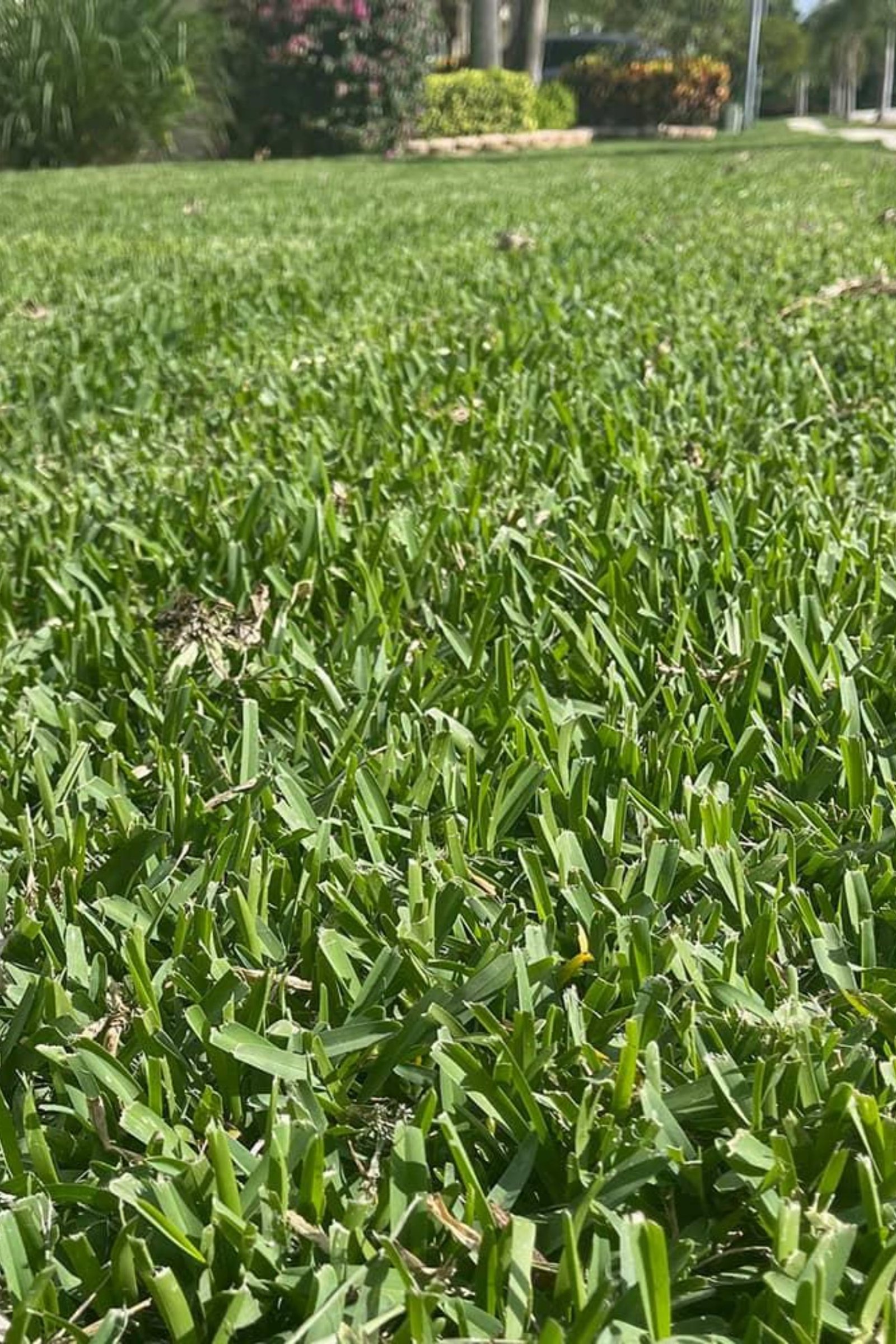
Bitter Blue

Bitter Blue Sod Installation
Bitter Blue Sod Installation in Southwest Florida
Bitter Blue St. Augustine is a warm season grass. It produces a thick, lush turf that provides excellent coverage and helps create a smooth, uniform landscape.
Bitter Blue St. Augustine is valued for its deep green color, dense growth pattern, and ability to perform well in both sunny and partially shaded areas.
Bitter Blue St. Augustine is one of the most popular sod varieties used in residential landscapes across Southwest Florida. We provide professional Bitter Blue St. Augustine sod installation in Marco Island, Naples, Golden Gate, and Ave Maria, helping homeowners create beautiful lawns that thrive in Florida’s warm climate. With over 20 years of experience, our team carefully prepares the soil and installs high quality sod to ensure your lawn flourishes.
Process
Steps to Install Bitter Blue
Simple Steps That Make Your Property Stand Out

Site Evaluation

Rolling & Watering

Site Preparation

Final Cleanup

Precision Sod Placement
Faqs
Frequently Asked Questions
Answers to common questions about Bitter Blue Sod
What makes Bitter Blue different from other St. Augustine sod varieties?
Bitter Blue St. Augustine is known for its deeper blue-green color, dense growth, and improved shade tolerance compared to some other St. Augustine varieties. It produces a thick, attractive lawn that performs well in many residential landscapes across Southwest Florida.
Is Bitter Blue St. Augustine good for shaded yards?
Yes. Bitter Blue St. Augustine is often chosen for properties with partial shade because it can tolerate lower sunlight levels better than many other warm-season grasses.
Does Bitter Blue St. Augustine require full sun to grow well?
While it grows best with regular sunlight, Bitter Blue can tolerate moderate shade better than many other lawn varieties, making it suitable for properties with trees or shaded areas.
How often should Bitter Blue St. Augustine be watered after installation?
New sod requires consistent watering during the first few weeks to help the roots establish. After the lawn becomes established, watering frequency can usually be reduced depending on weather conditions.
Service Areas